Execution Graph
A continuously reconciled model of how work, teams, systems, dependencies, releases, and decisions actually connect — one graph instead of ten tools' worth of partial truth.
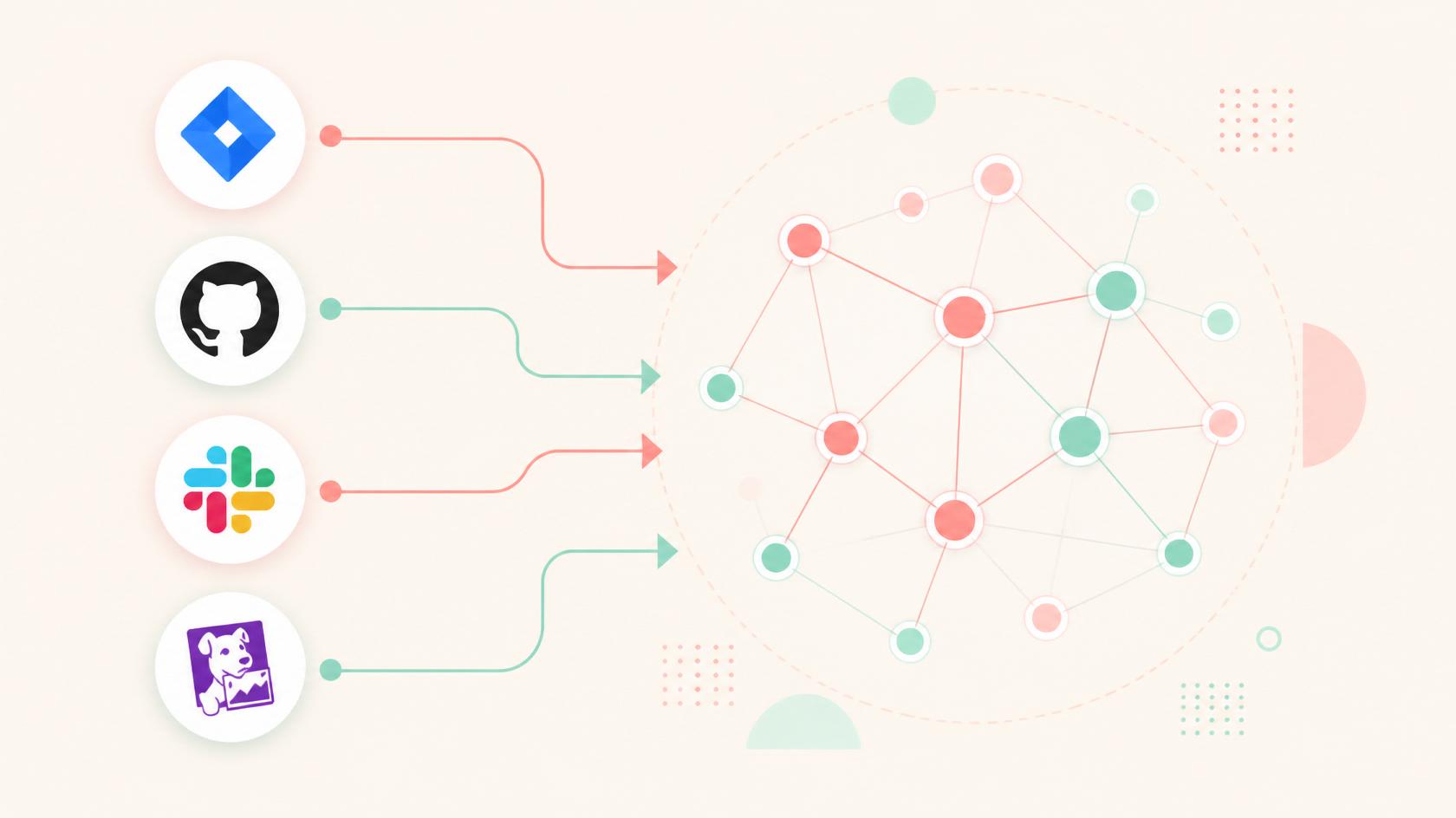
PulseBoard reconciles conflicting state across every tool — tickets, commits, conversations, calendar load — and surfaces drift, phantom dependencies, and stale ownership before a milestone formally slips. Where you approve it, the correction is written back across your stack.
The productivity gains are absorbed by the coordination gap above the code. Poor cross-functional communication and weak knowledge sharing — not the work itself — drive most of the weekly time loss.
Prompts answer questions. They don't build the infrastructure.
A living, continuously reconciled model of execution — graphed, scored, and explained — wired into the tools you already run. Not another dashboard to check; the coherence layer above them.
A continuously reconciled model of how work, teams, systems, dependencies, releases, and decisions actually connect — one graph instead of ten tools' worth of partial truth.
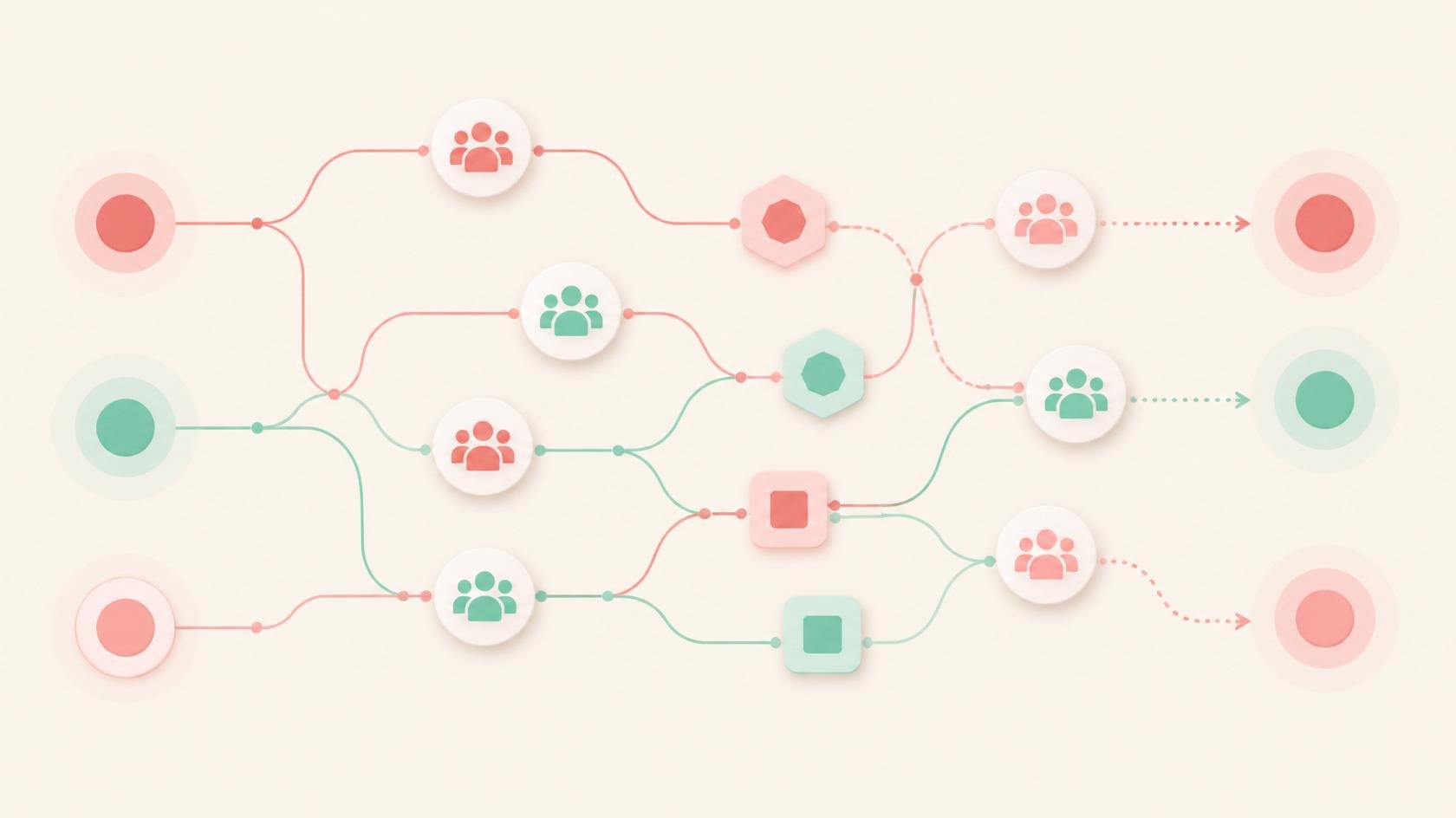
Maps cross-team dependencies — including the phantom ones that only surface after they've caused the slip — plus blockers and stale ownership.
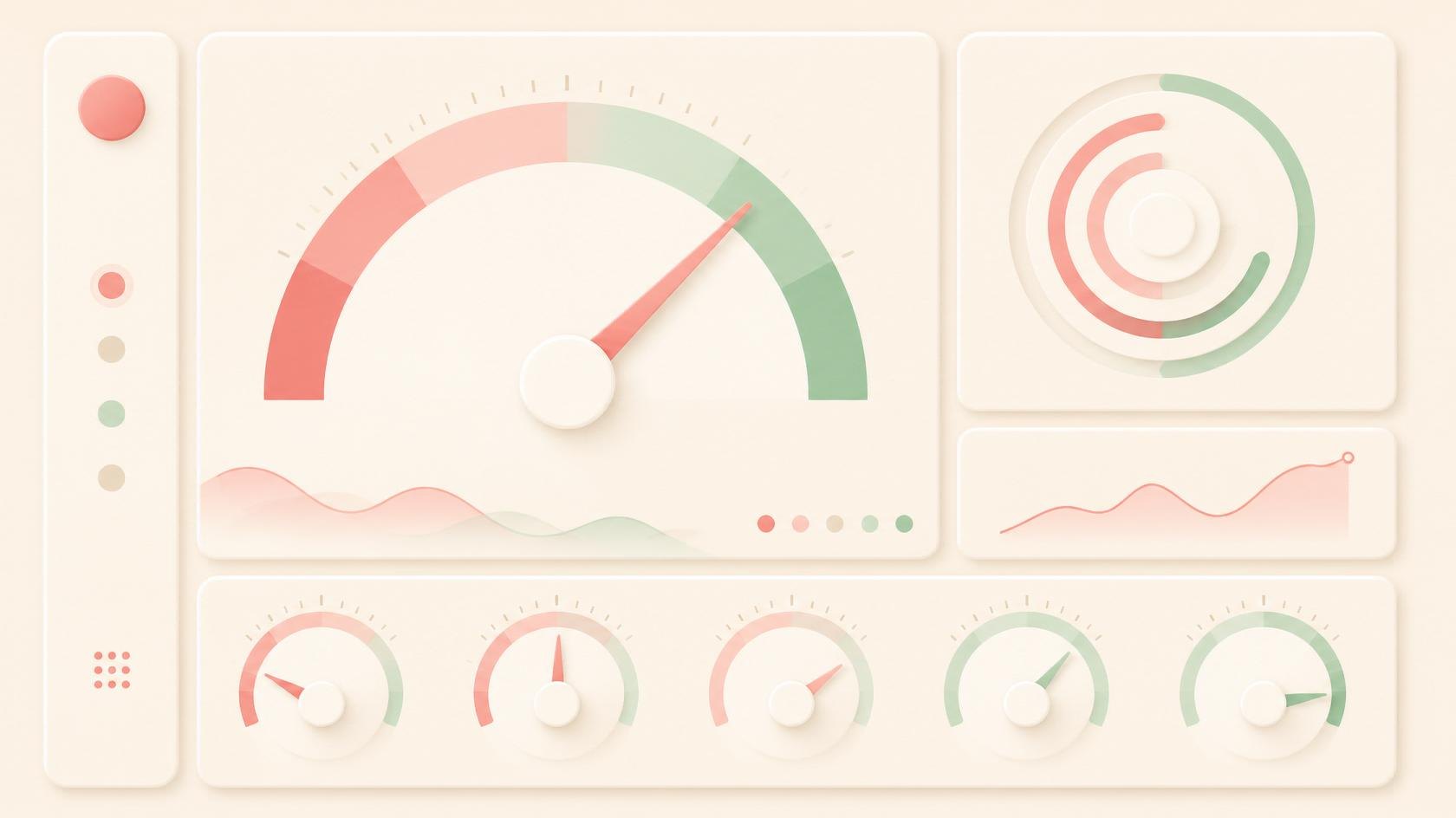
Measures execution confidence in real time and catches it sliding — say, 88% → 64% across four tools — while every status report still reads “on track.”
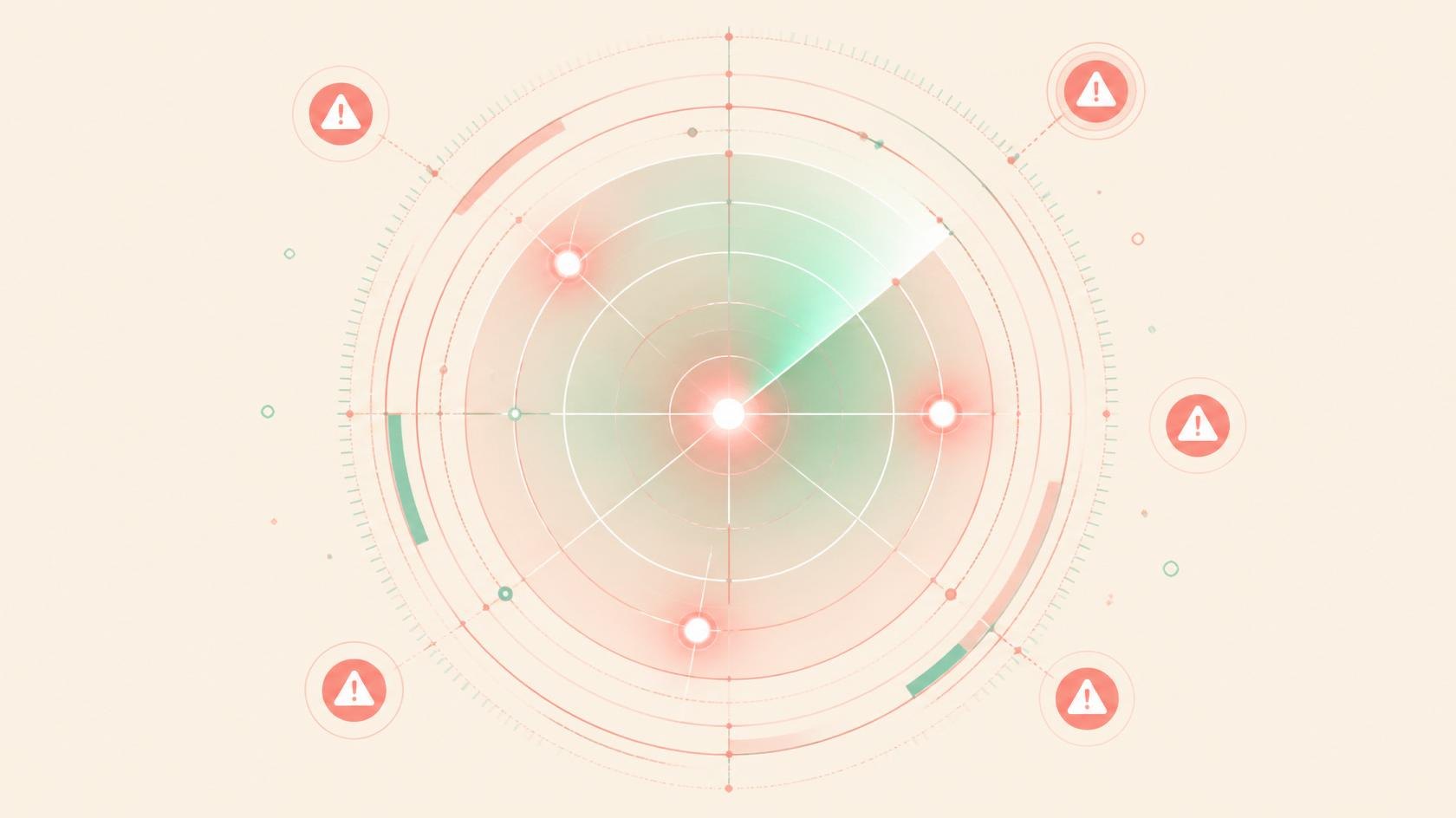
Flags execution drift and emerging risk before it shows up in a status report, a standup, or a slipped date.
Turns reconciled execution state into a leadership-ready narrative: what's at risk, why, and the decision it needs.
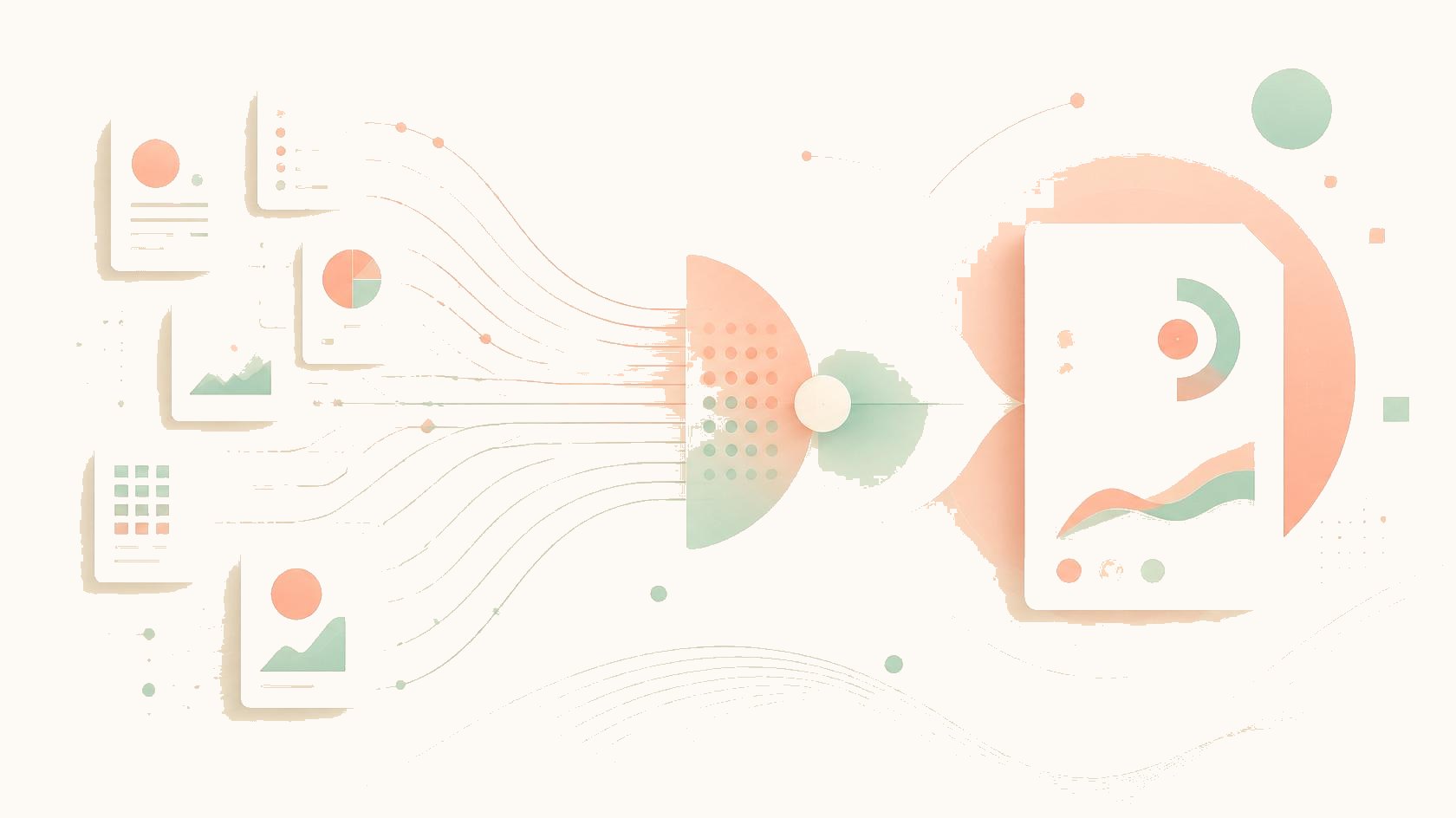
PulseBoard is a non-intrusive, vendor-neutral execution model. It reconciles signals across your stack, scores execution risk, acts through the tools you already use — only on changes you approve — and logs every step in real time, without agents, migrations, or workflow changes.
We reconcile signals from every connected tool.
Connectors stream events from the tools you already run — GitHub, Jira, Slack, Linear and Calendar live today, with CI/CD, Datadog and PagerDuty on the roadmap — into one execution graph. No agents, no workflow changes.
We score execution risk and verify every change.
A conformal model returns a calibrated confidence range, and deterministic checks catch cross-tool drift — deploy windows, approvals, and state that disagrees across tools — before anything ships.
We propagate approved decisions across your stack.
Once you approve a change, it's written back to the source tools — ticket updates, PR status, Slack notices, calendar holds — so every system is reconciled to the human decision instead of drifting apart again.
We log every signal, score, and action.
An immutable, compliance-ready trail — signal → score → decision → outcome — gives engineering and leadership full traceability, exportable to your SIEM in real time.
PulseBoard connects to the tools you already use, unifies their signals into a single knowledge graph, and writes decisions back — so every system stays consistent with the human in the loop.
From the boardroom to the on-call rotation, PulseBoard gives every layer one reconciled view of what's actually happening — not five tools' worth of conflicting answers.
One source of truth on execution health across the org. Catch drift before milestones slip — priced against the platform budget you already hold.
Stop hand-reconciling status across 50 tools. See conflicts the moment your tools disagree, and the phantom dependencies before they cause the slip.
Know where work is actually stuck — stale ownership, blocked PRs, drift between the board and the branch — without chasing five tools.
The coherence layer above your releases and incidents: coordination health, not just system health.
One reconciled execution model for orgs running 20–50+ tools, where no single tool sees the whole.
Everything you need to know before connecting your first tool.
| Stakeholder | Payment | Identity | Dev Platform | Data | Mobile | Infra | Trend | Last touch |
|---|
Ask anything about your delivery state. Citations link to specific records.